Feb 17, 2026
Our Prototype's Design
The design of our prototype
As you’ve likely already seen, we are in the process of designing a trap for catching the invasive lanternflies. Today, I would like to get into explaining how ours works.
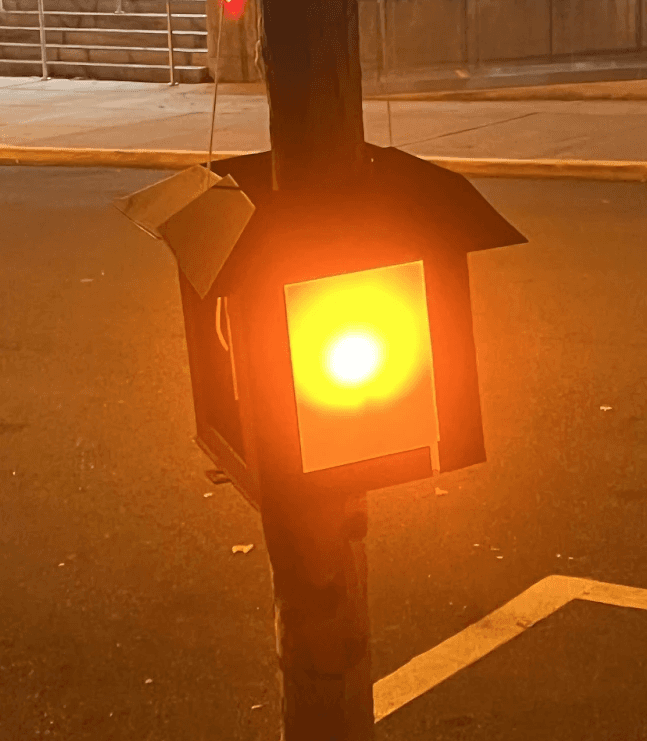
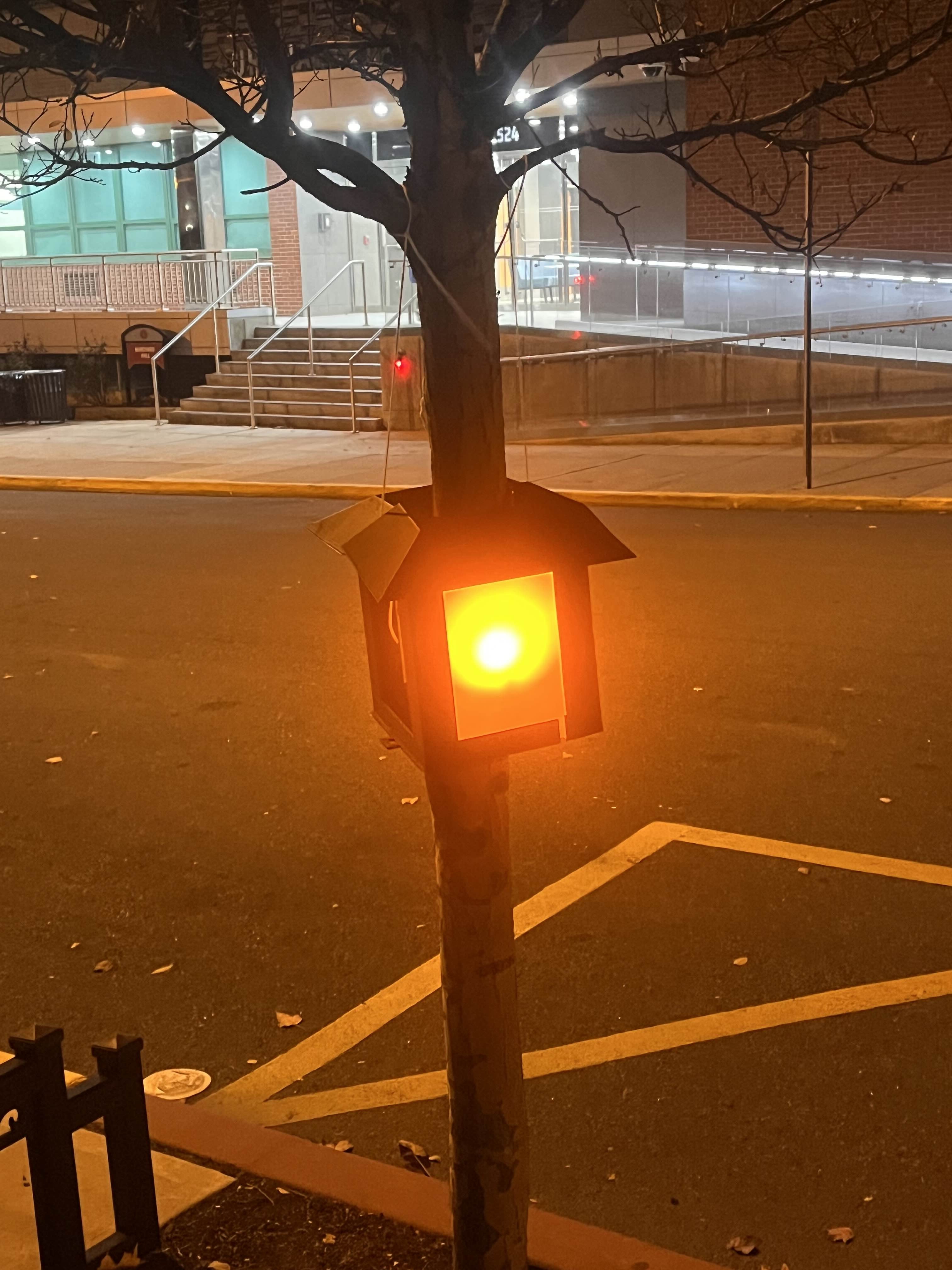
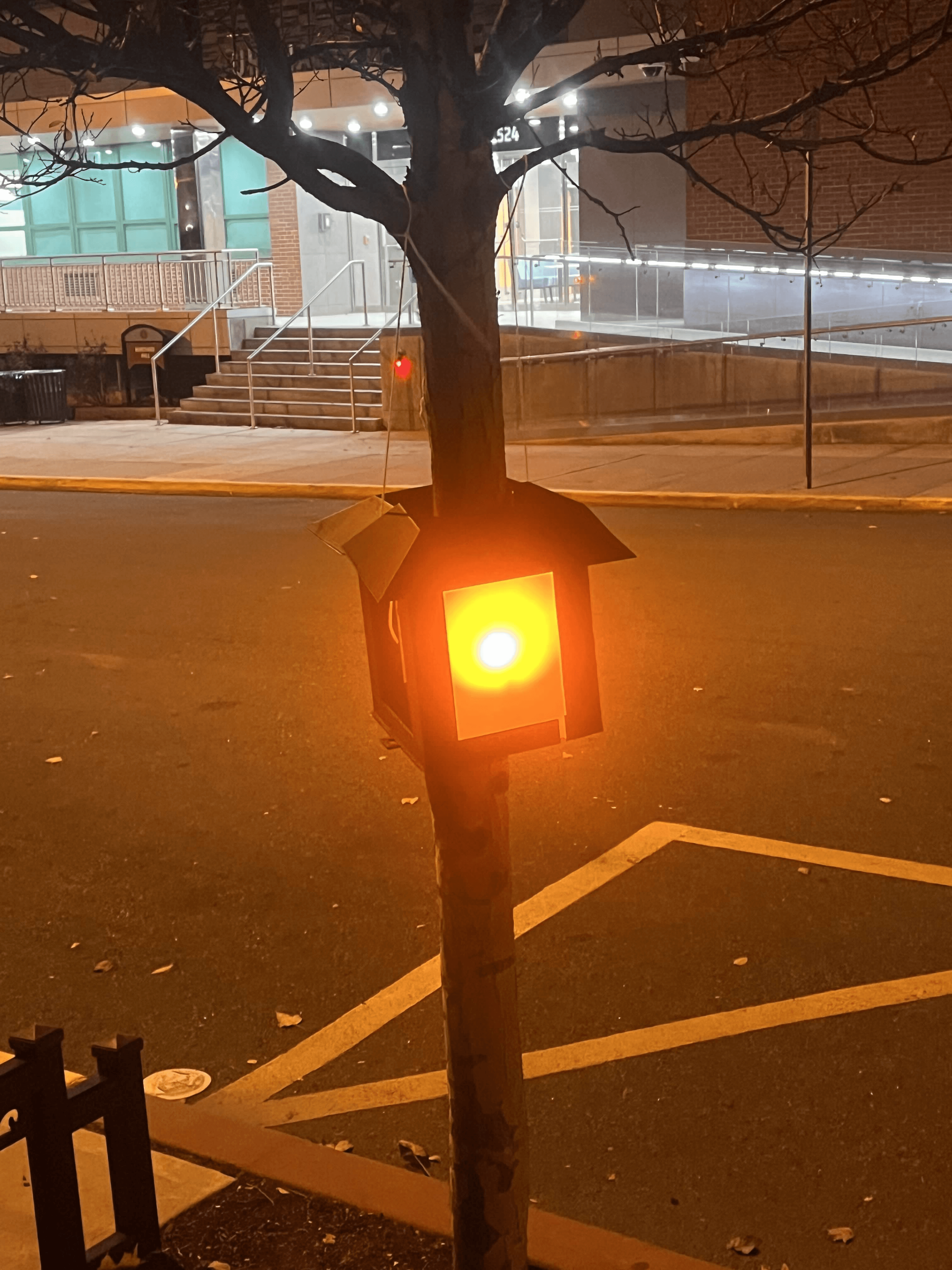
This lantern-like trap fits around the trunk of a tree with foam padding (or strings) to hold it in place. You can’t see it in the picture, but under the “eaves” of the lantern on all four sides is a slot that leads into the internal compartment.
When lanternflies land on a tree, they follow a base instinct to crawl upwards in search of sap. With this trap in place, they are directed into the slot and inside. There isn’t actually anything inside the trap, no chemicals or sticky elements. The inside of the trap is so cramped that the lanternflies can’t properly fly out, so they cannot escape. Stuck inside, they starve to death.
The upkeep of these traps is simple, all the owner needs to do is occasionally empty it.
Comparison to other traps
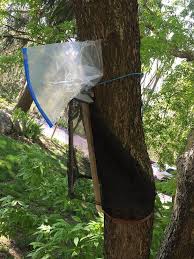
Of course, we’re not the first to design traps to capture invasive lanternflies. There are already traps that you could make yourself, such as this one:
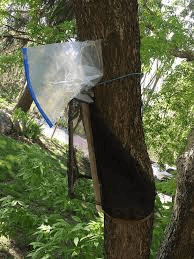
But we found these traps inadequate. Firstly, there is an aesthetic issue - They look like garbage tied to the tree. So we designed ours to have a decorative appearance, so that it looks nice when placed on street-side trees and in public parks. Furthermore, our trap covers the entire circumference of the tree, unlike these traps which only cover one side.
Since we’re only starting out, we don’t have traps available for you to purchase right now. But please still reach out if you’re interested, then we can notify you as soon as they’re available. As an intermediate step, we’re planning to release a 3D printable version of our trap design soon.
(Tree of Heaven)
You could also make or purchase traps to put on existing trees. Such as circle traps or those that we are making here at Lycorma. In the images below, left is our trap and right is a home-made circle trap.